Sinclair ZX81
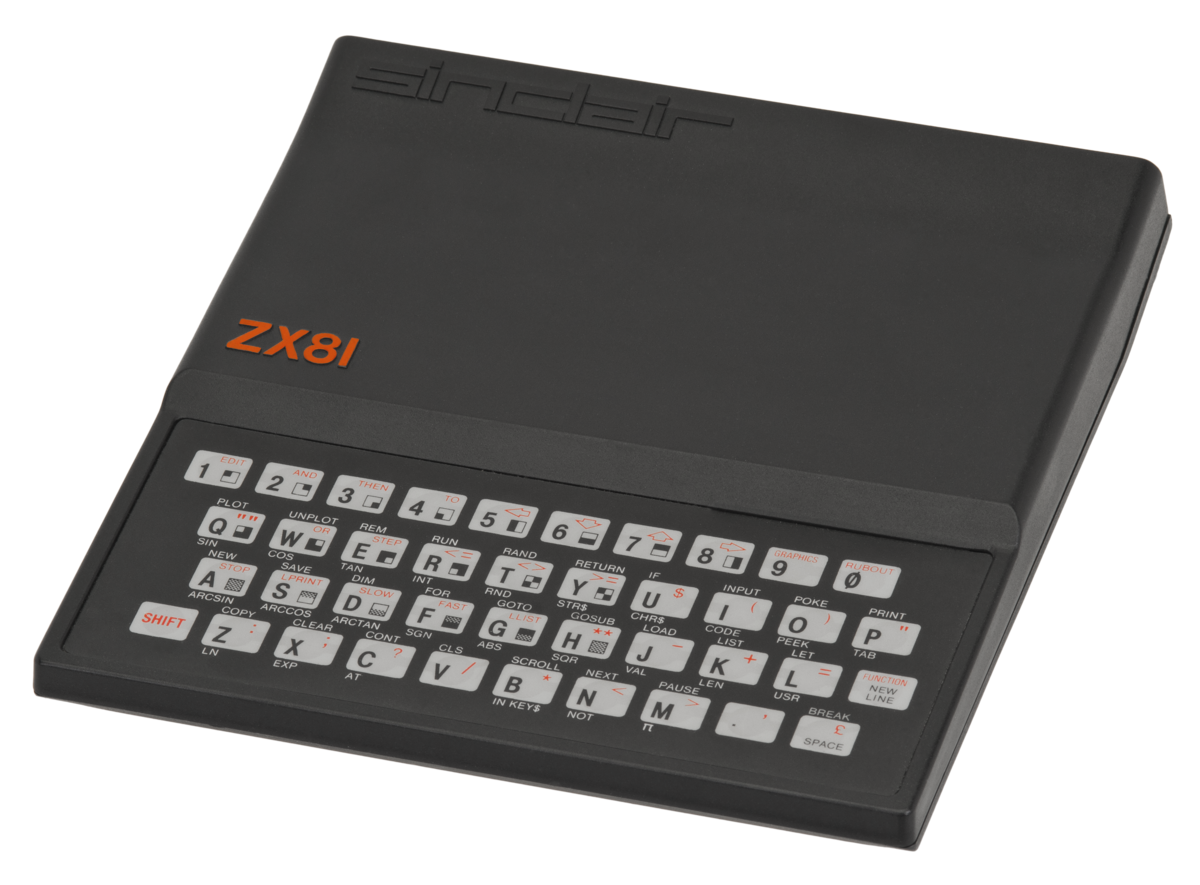
My children were introduced to computing before I was. My daughter now 56 reminded me that she had one of these in 1982.
I don’t believe I was ever aware of it.!
Amstrad PCW8256
My introduction to computers occurred in 1983 when I was sent to Bahrain to open an office for a project which I thought was for two weeks, but lasted for nearly five years.
I ran a small two person office, just myself and a secretary, with occasional short visits by support staff from our Cardiff office.
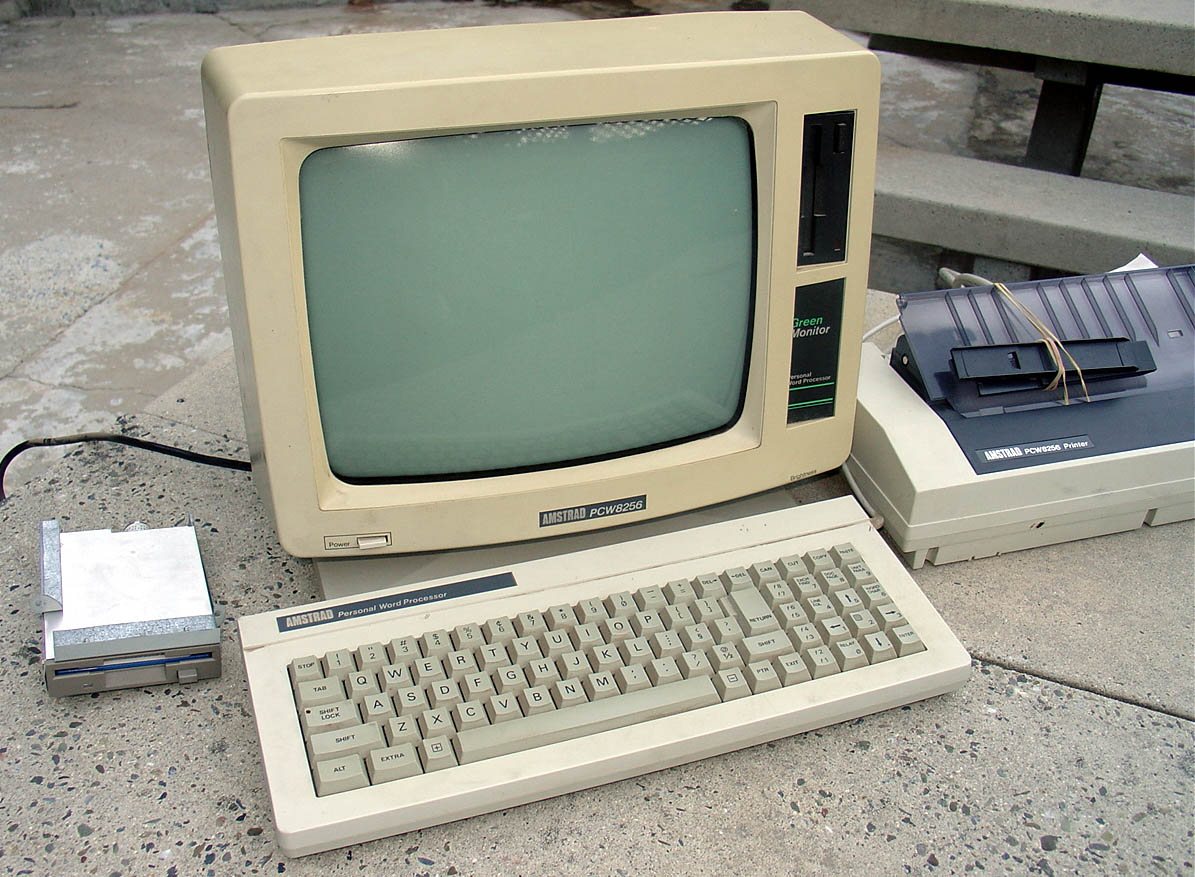
One of the engineers I worked with asked if I could look after his pc while he returned to the UK, for a month. The A/C in his villa would be turned off while he was away, and as my office had A/C he would like me to look after it until he returned. Bahrain temperatures in the summer are well over 100C
I had no knowledge of computing, and was using traditional drawing board, tee square, set square scale rulers, typewriter, tracing paper, paper fax machine and telephone to run our office.
So it sat on my desk for a month with only the occasional prod from me. The engineer colleague left no instructions how to use it !
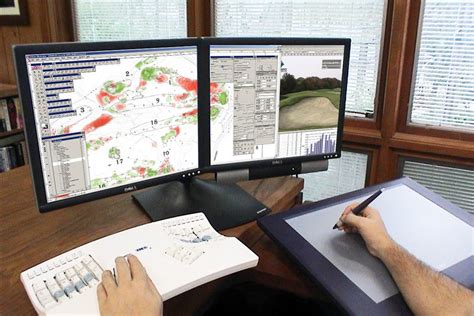
Like the first station running AutoCAD
In 1985 I was designing and building a headquarters for the Bahrain Oil Company, and when visiting their offices became aware of CAD (computer aided drafting) for the first time.
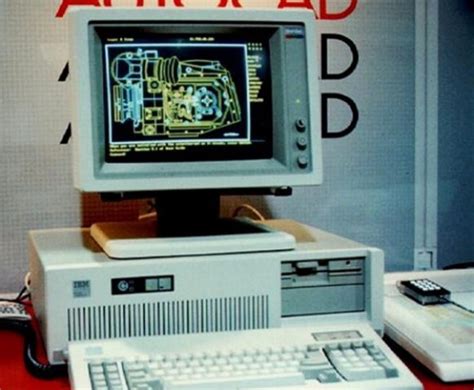
The organization being partly American had put individual pc’s on each engineers desk and were running the earliest versions of AutoCAD.
I could see that this was going to be the future and the end of traditional hand drafting.
So for the next year I used the opportunity in my spare time to work with one of their engineers to learn how to use a pc and AutoCAD.
First Home Workstation
In 1988 I was back in Cardiff, and given the task of spreading the gospel of computers and CAD into our UK offices.
This gradually led me away from designing buildings, and instead developing systems, training architects and technicians in CAD, quality control and teaching my reluctant partners and staff to use computers and related software from CAD, word-processing, spreadsheets, and project financial management systems
To keep ahead of those I was teaching, I realised I needed a workstation at home. It was built by our then IT equipment supplier.
And cost me in 1988 over £5K, much to my wife’s horror.
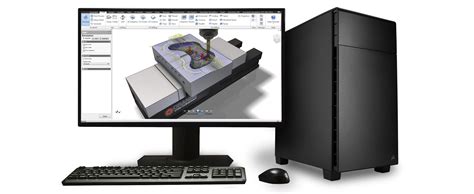
In later years, I persuaded my office to fund the inevitable upgrades in software and hardware.
At the time I hung up my boots in 2016, we were running seven UK offices all linked to a central network with my former computer technician now a full time computer manager.
2D CAD has now become 3D. BIM. REVIT and all sorts of clever software to create architecture.
But enthusing one day about the advantages of computers and CAD over hand drafting, a friend and fellow consulting engineer reminded me that he always admired my skill as an architect to pick up a 2B pencil and make a quick sketch of an idea, or detail.
Don’t give up drawing was his message, and I confess that the architects I admire most are those that can draw well. It is too easy to use a computer to create technically correct architectural dross!
David Hughes, June 2020